
User stories are a cornerstone in the field of UX and product design, providing a human-centric approach to guide the design process. Crafting effective user stories is crucial for understanding user needs, enabling designers to create products that truly resonate with their audience.
As a _____________ (persona)
I want to ______________ (goal)
So that _____________(benefit)
You can alter the form a little to suit:
They're a quick and easy way to develop, organise and communicate your product concept idea with stakeholders, project managers, and development teams.
They're concise and easily digestible stories. They aid in fostering a shared understanding of user expectations and facilitates collaboration across different roles in the product development process. User stories streamline communication, enhance empathy, and enable designers to craft meaningful and user-centered experiences, ultimately contributing to the creation of products that better meet the needs of their intended audience.
User stories can be used at various stages to enhance user-centered design:
By incorporating user stories throughout the UX process, designers ensure a user-centric approach, fostering collaboration, and refining designs based on real user needs.
The earlier you are in the UX or design thinking process, the less you will know about your users. After one or more rounds of user research and user testing you'll know a lot more. The less you know, the more you'll have to guess and use your imagination. As more is known about the intended users or persona types, you can and should update the user stories and keep the rest of the team up to date with the enhanced knowledge as it evolves.
Begin by defining all the user personas. Imagine their goals, challenges, and motivations. This sets the foundation for creating user stories that align with real user needs.
User stories should be written from the user's perspective. Avoid detailing specific features; instead, focus on the user's goals and the value they seek from the product.
User stories are dynamic. Encourage collaboration between UX designers, product managers, and developers. Regularly revisit and refine user stories based on evolving project needs.
Before implementation, validate user stories through usability testing. This ensures the proposed solutions align with user expectations.
To learn how to use user stories within the full Design Thinking process see this course
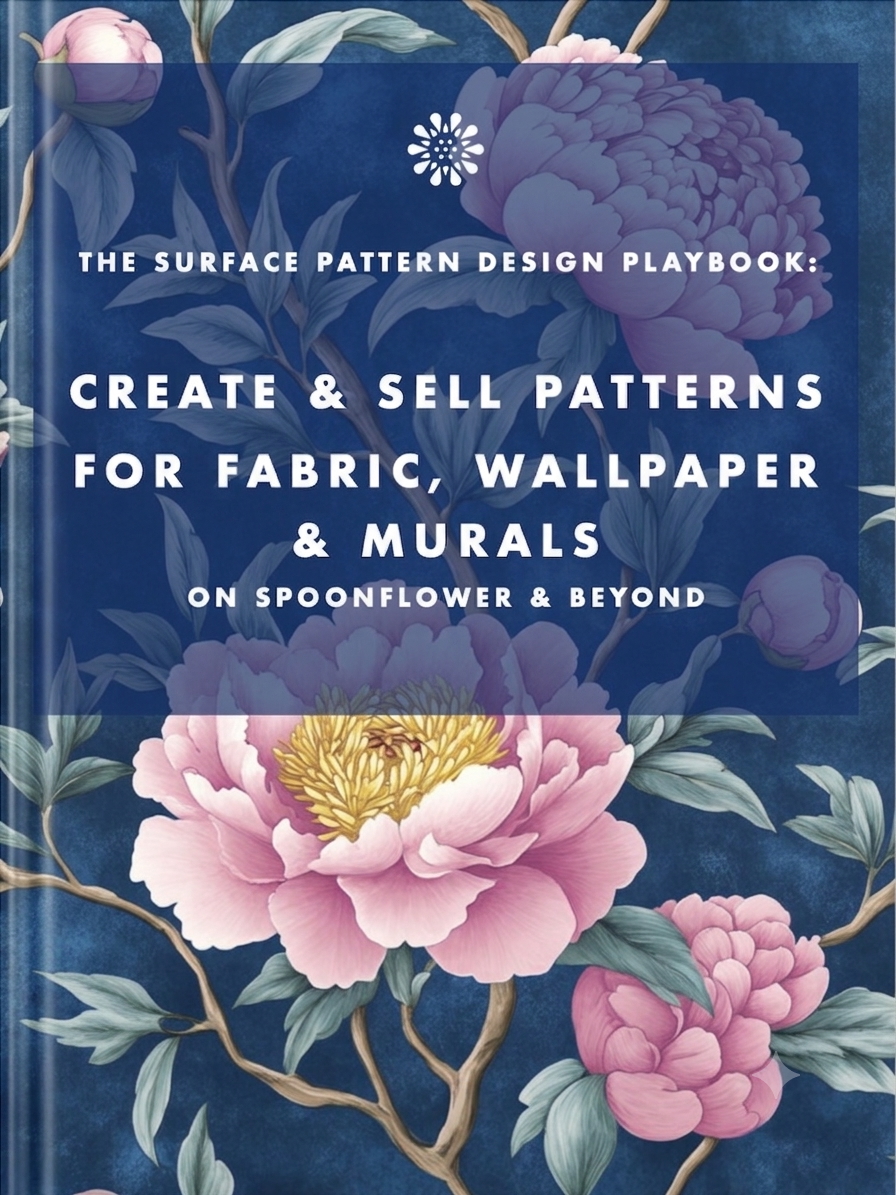
Earn from your design skills
Create & sell patterns for fabric, wallpaper & murals — on Spoonflower & beyond. Client-free, commute-free, creative work you can do from anywhere.
See the book →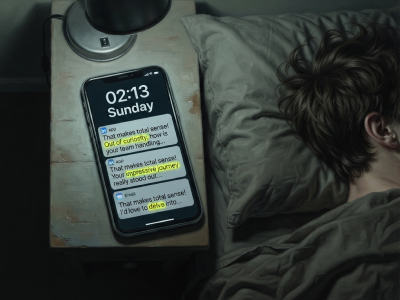
"That makes total sense! Out of curiosity…" are typical sentence snippets in your messages if you're talking to a bot.

A real look at how I use Claude Code, Claude Cowork, Figma and more to design, build and market TickLists, my websites and my Spoonflower patterns, solo.

Job seekers who keep running the old employment playbook are playing a game whose rules have already changed. Here's what's happening in the design job market, and why leverage, not talent, is what separates who's finding traction.
Keep your design skills up to date with videos,
AI workflows, tutorials, ways to earn $$$ and free resources.
See past email newsletters.
Unsubscribe anytime.